paintings
paintings
paintings
paintings
paintings
paintings
paintings
paintings
paintings
paintings
paintings
paintings
paintings
paintings
paintings
paintings
paintings
paintings
paintings
paintings
paintings
paintings
paintings
paintings
paintings
paintings
paintings
paintings
paintings
paintings
paintings
paintings
paintings
paintings
paintings
paintings
paintings
paintings
paintings
paintings
paintings
paintings
paintings
paintings
paintings
paintings
paintings
paintings
paintings
paintings
paintings
paintings
paintings
paintings
paintings
paintings
paintings
paintings
paintings
paintings
paintings
paintings
paintings
paintings
paintings
paintings
paintings
paintings
paintings
paintings
paintings
paintings
paintings
paintings
paintings
paintings
paintings
paintings
paintings
paintings
paintings
paintings
paintings
paintings
paintings
paintings
paintings
paintings
paintings
paintings
paintings
paintings
paintings
paintings
paintings
paintings
paintings
paintings
paintings
paintings
Andreas Löschner-Gornau, Professor Emeritus of Fine Arts
"Daedalus and Icarus II sculpture" PLA (bio-based plastic),electroplated with copper, patinated/ Click here to buy

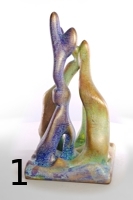
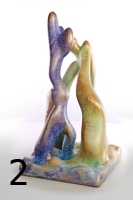
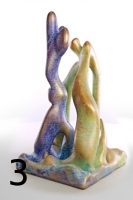
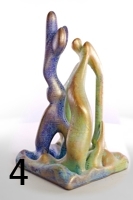
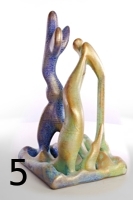

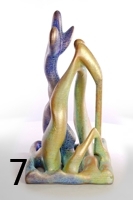
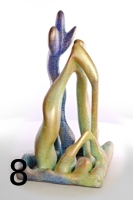
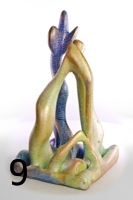
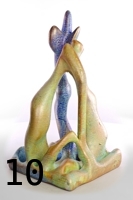
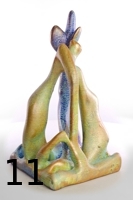
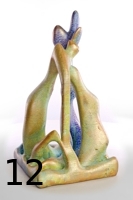
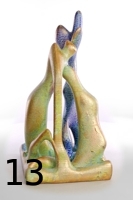
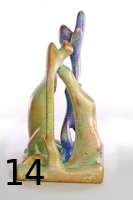
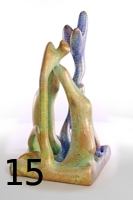
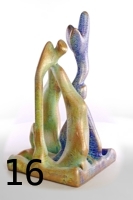
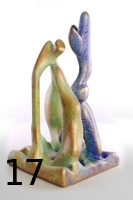
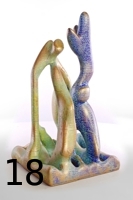
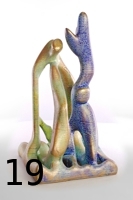
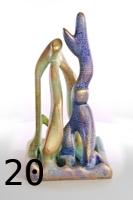
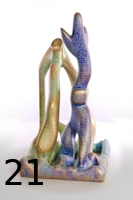

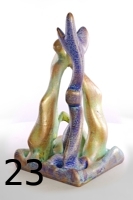
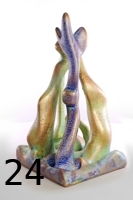
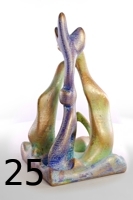
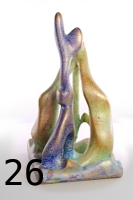
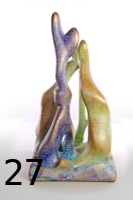
The sculpture group titled "Daedalus and Icarus" by Andreas Loeschner-Gornau is an abstract depiction of the Greek myth of the same name. The colors are bold, shifting between deep blue, gold, and a washed-out green or turquoise.
In the foreground lies a broad, irregularly shaped base reminiscent of flowing water or a rocky surface. This base is colored in blue and green, with occasional gold accents.
Rising from this base are two main figures representing the mythological characters. One figure is taller and stands upright; it is rendered in an intense blue overlaid with fine, ornamental gold patterns. Its form is curvilinear, evoking a rising flame or a dance pose, with finger-like elements stretching upwards. The surface appears textured and slightly rough.
The second figure is smaller and appears to be crouching or leaning in front of the other. It is predominantly colored in shades of gold and green that blend together, creating a metallic sheen. Its form is also organic and curved, featuring an arched-back torso and arms reaching upwards; one arm resembles an open wing pointing downwards. This figure appears somewhat more compact and seems to adopt a posture of grief or despair. Several smaller, pointed shapes—reminiscent of sharp rocks or broken wing fragments—protrude from the base around this figure.
The sculpture's composition emphasizes the dramatic narrative of the tragic flight. The vertical orientation of the blue figure may represent Daedalus, continuing his flight after the loss of his son, while the stooped, gold-and-green figure embodies Icarus, whose flight ended in tragedy. The interaction of the figures—their closeness yet differing stances—suggests an emotional connection and a painful loss.