paintings
paintings
paintings
paintings
paintings
paintings
paintings
paintings
paintings
paintings
paintings
paintings
paintings
paintings
paintings
paintings
paintings
paintings
paintings
paintings
paintings
paintings
paintings
paintings
paintings
paintings
paintings
paintings
paintings
paintings
paintings
paintings
paintings
paintings
paintings
paintings
paintings
paintings
paintings
paintings
paintings
paintings
paintings
paintings
paintings
paintings
paintings
paintings
paintings
paintings
paintings
paintings
paintings
paintings
paintings
paintings
paintings
paintings
paintings
paintings
paintings
paintings
paintings
paintings
paintings
paintings
paintings
paintings
paintings
paintings
paintings
paintings
paintings
paintings
paintings
paintings
paintings
paintings
paintings
paintings
paintings
paintings
paintings
paintings
paintings
paintings
paintings
paintings
paintings
paintings
paintings
paintings
paintings
paintings
paintings
paintings
paintings
paintings
paintings
paintings
Andreas Löschner-Gornau, Professor Emeritus of Fine Arts
"The Judgement of Paris" 2026 PLA (bio-based plastic),electroplated with copper, patinated/ Click here to buy
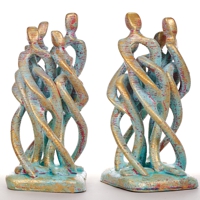
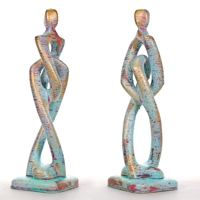
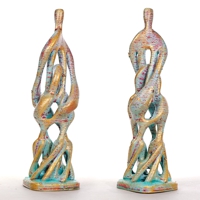

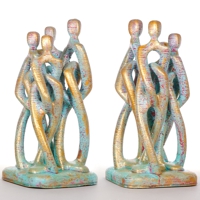
The sculptural group titled "The Judgment of Paris" by Andreas Loeschner-Gornau presents an abstract depiction of the mythological scene. It comprises a total of four human figures that are closely interwoven and characterized by stylized, elongated forms. The figures are intertwined, creating a dynamic composition. Some figures stand upright, while others appear to be leaning slightly forward. The heads are small and oval, while the bodies are suggested by sweeping, ribbon-like shapes.
The surface texture of the sculpture is rough and textured, as if it were fashioned from a material bearing an antique-looking patina. The predominant colors are a turquoise-blue and a vibrant gold. The turquoise-blue is applied irregularly; in many places, it appears worn or seems to run downward, as if an older underlying layer had been exposed. The gold is similarly applied, lending the sculpture a luxurious and almost metallic sheen. Interspersed among these are red accents—resembling small splashes of paint or irregular splotches—that add additional depth and drama to the surface.
The sculpture rests upon a low, irregularly shaped plinth, which is likewise finished in shades of turquoise-blue, gold, and red. The plinth provides a stable base for the figures. The composition is vertically oriented, with the intertwined forms of the figures filling the space from bottom to top. The lighting is even, highlighting the sculpture's textures and colors without casting harsh shadows. The background is pure white, serving to isolate the sculpture and draw it into the focal point. The depiction of the individual figures is abstracted; consequently, one identifies the goddesses Hera, Athena, and Aphrodite—as well as Paris and, potentially, the goddess Eris (who brought the golden apple)—more through an interpretation of the scene itself than through specific individual features. The sculpture conveys a sense of movement and intertwining.
The Judgment of Paris is a central myth of Greek antiquity, regarded as the catalyst for the Trojan War. The Trojan prince Paris must decide which of the goddesses—Hera, Athena, or Aphrodite—is the most beautiful. He chooses Aphrodite, who promises him Helen, leading to Helen's abduction and the outbreak of war.