paintings
paintings
paintings
paintings
paintings
paintings
paintings
paintings
paintings
paintings
paintings
paintings
paintings
paintings
paintings
paintings
paintings
paintings
paintings
paintings
paintings
paintings
paintings
paintings
paintings
paintings
paintings
paintings
paintings
paintings
paintings
paintings
paintings
paintings
paintings
paintings
paintings
paintings
paintings
paintings
paintings
paintings
paintings
paintings
paintings
paintings
paintings
paintings
paintings
paintings
paintings
paintings
paintings
paintings
paintings
paintings
paintings
paintings
paintings
paintings
paintings
paintings
paintings
paintings
paintings
paintings
paintings
paintings
paintings
paintings
paintings
paintings
paintings
paintings
paintings
paintings
paintings
paintings
paintings
paintings
paintings
paintings
paintings
paintings
paintings
paintings
paintings
paintings
paintings
paintings
paintings
paintings
paintings
paintings
paintings
paintings
paintings
paintings
paintings
paintings
Andreas Löschner-Gornau, Professor Emeritus of Fine Arts
"Striding Man Without the Elephant Head" 2026 PLA (bio-based plastic),electroplated with copper, patinated/ Click here to buy
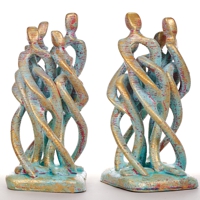
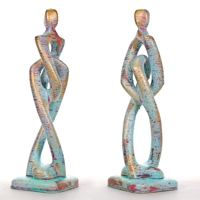
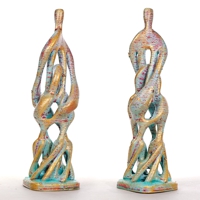
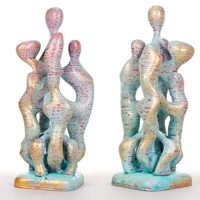
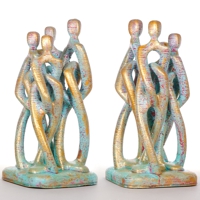
A sculpture titled "Striding Man Without the Elephant Head" by Andreas Loeschner-Gormau is presented here from various angles.
The *Striding Man Without the Elephant Head* is more than just a sculpture; it is an emblem of the human journey—a metaphor for the quest for wisdom and the overcoming of obstacles. Its rough texture, marked by chips and color variations, speaks of the scars and experiences that life leaves behind.
The figure's limbs form a closed, almost protective embrace. This posture represents the beginning of a journey—perhaps a time for reflection and for gathering strength. The head is tilted slightly downward, as if contemplating the steps ahead and the obstacles that must be overcome. One can imagine the figure seeking within itself the wisdom and intelligence—akin to that of Ganesha—needed to illuminate the path forward.
The figure’s movement is dynamic; its limbs are tightly intertwined, suggesting a struggle or an active engagement with life's challenges. Its stance is upright—a gesture of progress and determination. It embodies a strength nourished by gentleness, as well as the discernment required to choose the right paths.
This sculpture serves as a silent admonition. It teaches that the path to wisdom—and to overcoming obstacles—is often an internal struggle: a fusion of strength and vulnerability, of intellect and intuition. Stripped of the elephant head—which often serves as an external symbol of wisdom—the focus is directed inward, toward the internal quest. What is depicted here is the journey of the individual: a ceaseless striding forward, a constant process of growth, and a perpetual beginning anew—even as the traces of the past remain visible. The sculpture itself is an abstract representation of a human figure. It consists of several intertwined, tubular elements that form a dynamic and fluid shape. The figure features a slender, elongated torso and suggested legs resting upon a rectangular pedestal. The head is abstract in design, taking a rectangular form devoid of specific facial features. The arms are integrated into the overall structure, lending the sculpture a kinetic quality that suggests movement.
The surface of the sculpture is uneven, exhibiting a texture reminiscent of weathered material. The coloring is particularly striking: a light turquoise or teal serves as the base color, applied—or worn away—heavily in places. Beneath and atop this base, golden accents are visible; these gleam and lend the sculpture an air of elegance. Additionally, traces of rust-red or pink are scattered irregularly across the surface, creating a strong contrast against the turquoise and gold. This color combination evokes a sense of patina, endowing the sculpture with character and depth.
The intertwined forms are clearly visible; the twisting and overlapping of the elements are strongly emphasized, thereby achieving a distinct spatial effect characterized by counter-movements.