paintings
paintings
paintings
paintings
paintings
paintings
paintings
paintings
paintings
paintings
paintings
paintings
paintings
paintings
paintings
paintings
paintings
paintings
paintings
paintings
paintings
paintings
paintings
paintings
paintings
paintings
paintings
paintings
paintings
paintings
paintings
paintings
paintings
paintings
paintings
paintings
paintings
paintings
paintings
paintings
paintings
paintings
paintings
paintings
paintings
paintings
paintings
paintings
paintings
paintings
paintings
paintings
paintings
paintings
paintings
paintings
paintings
paintings
paintings
paintings
paintings
paintings
paintings
paintings
paintings
paintings
paintings
paintings
paintings
paintings
paintings
paintings
paintings
paintings
paintings
paintings
paintings
paintings
paintings
paintings
paintings
paintings
paintings
paintings
paintings
paintings
paintings
paintings
paintings
paintings
paintings
paintings
paintings
paintings
paintings
paintings
paintings
paintings
paintings
paintings
Andreas Löschner-Gornau, Professor Emeritus of Fine Arts
"Midas as an example" 2026 PLA (bio-based plastic),electroplated with copper, patinated/ Click here to buy
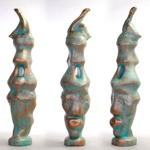
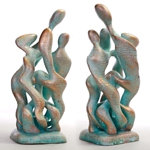
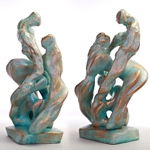
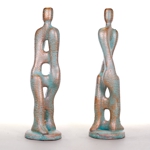
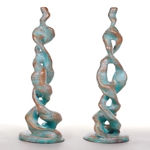
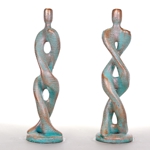
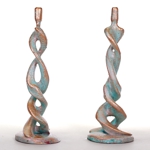
The image shows three views of an abstract sculpture with a turquoise and bronze patina against a white background.
The sculpture, photographed from different angles, provides a complete 360-degree view of the object. Slender and vertically oriented, the work features an organic, undulating form reminiscent of a human silhouette, but highly stylized and abstracted. It is made of an electroplated, bio-based plastic with a textured surface that evokes antique metal or weathered stone. The color is a blend of a deep turquoise, reminiscent of patina or weathered copper, and bronze accents that stand out and emphasize the contours of the form. The sculpture has a distinctive shape, featuring a head-like protrusion with an upward-pointing appendage, a waist that curves inward, and a bulge in the chest or hip area. Between the two rounded protrusions in the central section of the figure is a vertically slitted opening that allows a view through the sculpture, adding an extra dimension of depth. The face is suggested, with prominent lips and a nose that blends into the body without sharp contours. The top of the sculpture ends in a curved, pointed shape reminiscent of a mane, a crown, or an abstract hairstyle. The base of the figure is wider and rounded, providing stability. The light is soft and diffused, creating gentle shadows and highlighting the texture and color of the sculpture. The atmosphere is calm and focused, and the mood is contemplative and aesthetic.
King Midas sat in his throne room, surrounded by what his heart desired: gold. Not the pale, lustrous metal he once possessed, but a new kind of gold. He had been given the gift of turning everything he touched into gold. At first, it was a blessing. His palace walls shimmered in the sunlight, his clothes were made of the finest gold fabric, and even his food and drink had become glittering feasts. But the joy was short-lived.
The sculptures that now stood in his palace were witnesses to his despair. They had once been living beings, his most loyal servants, his beloved children, even the food on his table. Now they were silent, golden witnesses to his greed and his loneliness. Every curve, every bulge of these silent statues, now adorning a portion of his palace, reminded him of the fleeting touch that had forever altered their lives and their forms.
The turquoise and bronze hues on the sculptures, which resembled weathered, ancient stone, told a different story than the pure, cool surface of pure gold. This color was like time itself, which had passed over his choices, leaving its mark on his soul. The twisted, organic forms of the sculptures did not seem like royal works of art, but rather like prisoners in an invisible jail created by Midas himself. The hollows and indentations in the figures seemed like empty spaces, spaces he had once filled with life, but which were now filled only with the cold air of regret.
Midas looked at his hands. They were covered with a strange, patinated sheen, similar to that of the sculptures. The Gift, which had once promised him power and wealth, had imprisoned him in a golden jail. He could no longer eat, drink, or touch anyone without triggering this ominous transformation. Greed, once his driving force, was now his greatest torment. He longed for nothing more than the warmth of a human touch, the laughter of a child, the feeling of something living in his hands. But all he had was this cold, gleaming appearance, which reminded him of his immeasurable loneliness.
The three views of the sculpture were like three mirrors, reflecting his own existence back to him: an existence rich in gold, but poor in life. With a deep sigh, King Midas turned away from the silent witnesses to his tragedy. He was a king who possessed everything and yet had nothing. And the silent, patinated sculptures in his palace were the eternal monument to his fatal touch.