paintings
paintings
paintings
paintings
paintings
paintings
paintings
paintings
paintings
paintings
paintings
paintings
paintings
paintings
paintings
paintings
paintings
paintings
paintings
paintings
paintings
paintings
paintings
paintings
paintings
paintings
paintings
paintings
paintings
paintings
paintings
paintings
paintings
paintings
paintings
paintings
paintings
paintings
paintings
paintings
paintings
paintings
paintings
paintings
paintings
paintings
paintings
paintings
paintings
paintings
paintings
paintings
paintings
paintings
paintings
paintings
paintings
paintings
paintings
paintings
paintings
paintings
paintings
paintings
paintings
paintings
paintings
paintings
paintings
paintings
paintings
paintings
paintings
paintings
paintings
paintings
paintings
paintings
paintings
paintings
paintings
paintings
paintings
paintings
paintings
paintings
paintings
paintings
paintings
paintings
paintings
paintings
paintings
paintings
paintings
paintings
paintings
paintings
paintings
paintings
Andreas Löschner-Gornau, Professor Emeritus of Fine Arts
"Mycenaean" 2026 PLA (bio-based plastic),electroplated with copper, patinated/ Click here to buy
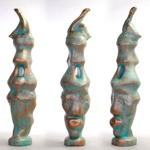
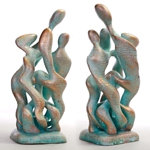
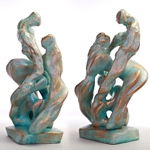
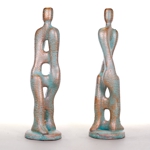
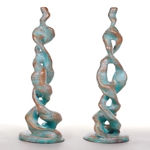
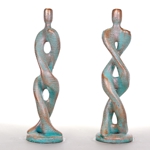
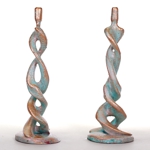
The sculpture, described as a "Mycenaean citizen from around 1600 BC, from the culture of Crete and Mycenae," presents itself as an abstract human figure. Its form is characterized by an extreme reduction to the essentials. Limbs are suggested but not rendered in detail.
The treatment of the surface is particularly striking. The figure is covered with a patina reminiscent of ancient bronze objects exposed to the elements for centuries. The color ranges from a light turquoise green to a warm copper tone, reinforcing the impression of age and weathering. The surface also appears irregular and slightly pitted, almost like rusted metal or porous rock.
The slight twist lends the work dynamism. The figure features central cutouts that give it a lightness and transparency, contrasting with the solid base. These gaps are reminiscent of windows in ancient buildings or the structure of bone.
The artistic intention seems to be to capture the essence of humanity and the enduring power of culture, rather than depicting individual portraits. The abstract form allows the viewer to develop their own interpretations and focus on the universal aspects of human existence: steadfastness (the upright figure), movement and change (the twisted figure), and the inner structure suggested by the cutouts.
The choice of material and color suggests a connection to archaeology and the long history of human civilization, particularly the Aegean culture, known for its exquisite bronzes and its connection to the sea. The sculptures appear like archaeological finds, unearthed from the depths of time, now telling their story.
The message conveyed by these figures could be a reflection on the transience of time, the permanence of the human form, and the traces left by cultures. They remind us to recognize the roots of our civilization and to appreciate the continuity of human experience across millennia. The reduced form invites one to look beyond the external and grasp the inner essence, which endures even after a long time.