paintings
paintings
paintings
paintings
paintings
paintings
paintings
paintings
paintings
paintings
paintings
paintings
paintings
paintings
paintings
paintings
paintings
paintings
paintings
paintings
paintings
paintings
paintings
paintings
paintings
paintings
paintings
paintings
paintings
paintings
paintings
paintings
paintings
paintings
paintings
paintings
paintings
paintings
paintings
paintings
paintings
paintings
paintings
paintings
paintings
paintings
paintings
paintings
paintings
paintings
paintings
paintings
paintings
paintings
paintings
paintings
paintings
paintings
paintings
paintings
paintings
paintings
paintings
paintings
paintings
paintings
paintings
paintings
paintings
paintings
paintings
paintings
paintings
paintings
paintings
paintings
paintings
paintings
paintings
paintings
paintings
paintings
paintings
paintings
paintings
paintings
paintings
paintings
paintings
paintings
paintings
paintings
paintings
paintings
paintings
paintings
paintings
paintings
paintings
paintings
Andreas Löschner-Gornau, Professor Emeritus of Fine Arts
"Prince of Lilies" 2026 PLA (bio-based plastic),electroplated with copper, patinated/ Click here to buy
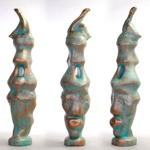
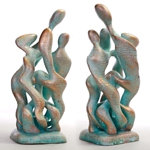
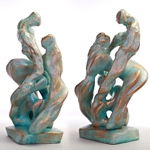
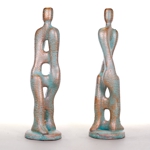
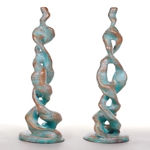
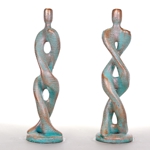
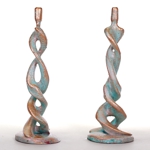
An abstract sculpture, tall and slender, it appears to twist around its own axis, forming curved, organic shapes reminiscent of a twisted column or a stylized human figure. The sculpture stands on a flat, round base.
The surface texture of the sculpture is rough and uneven, with visible irregularities and small indentations. The predominant color is a turquoise hue, reminiscent in places of oxidized copper or patina. Beneath this, a metallic copper or bronze shimmers through, particularly noticeable in the raised areas and along the edges. The combination of these two colors gives the sculpture an antique, almost mineral or rusty appearance, reminiscent of archaeological finds.
The forms are fluid and dynamic. Open spaces allow glimpses through the sculpture, lending it lightness and depth. The upper end of the sculpture tapers and curves into a kind of point or stylized head. The form is not symmetrical in the strict sense, but rather possesses an organic, almost dancing grace.
The sculpture appears like an artifact from a bygone civilization, fitting its title, "The Prince of Lilies" (Minoan culture), which suggests an ancient inspiration, possibly drawn from the art and symbols of Minoan Crete. The forms vaguely recall stylized human figures in dance or plant motifs, reinterpreted in a modern, abstract formal language.