paintings
paintings
paintings
paintings
paintings
paintings
paintings
paintings
paintings
paintings
paintings
paintings
paintings
paintings
paintings
paintings
paintings
paintings
paintings
paintings
paintings
paintings
paintings
paintings
paintings
paintings
paintings
paintings
paintings
paintings
paintings
paintings
paintings
paintings
paintings
paintings
paintings
paintings
paintings
paintings
paintings
paintings
paintings
paintings
paintings
paintings
paintings
paintings
paintings
paintings
paintings
paintings
paintings
paintings
paintings
paintings
paintings
paintings
paintings
paintings
paintings
paintings
paintings
paintings
paintings
paintings
paintings
paintings
paintings
paintings
paintings
paintings
paintings
paintings
paintings
paintings
paintings
paintings
paintings
paintings
paintings
paintings
paintings
paintings
paintings
paintings
paintings
paintings
paintings
paintings
paintings
paintings
paintings
paintings
paintings
paintings
paintings
paintings
paintings
paintings
Andreas Löschner-Gornau, Professor Emeritus of Fine Arts
"David in turn" 2026 PLA (bio-based plastic),electroplated with copper, patinated/ Click here to buy
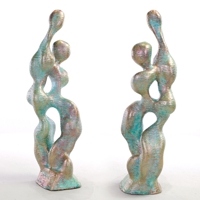
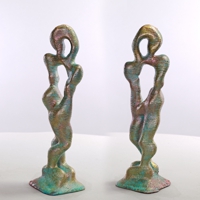
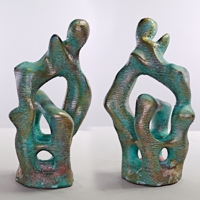
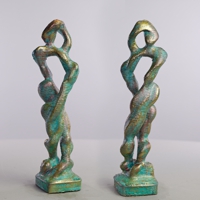
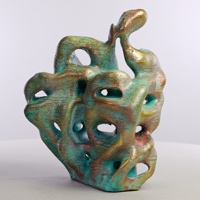
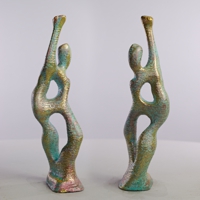
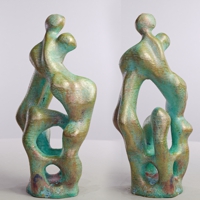
Michelangelo's David, a masterpiece of the Italian High Renaissance, depicts the biblical hero David at the moment of greatest tension, just before his battle against the giant Goliath. David embodies the triumph of intellect over brute force and was considered a symbol of the freedom and independence of the Republic of Florence.
In contrast, Loeschner-Gornau presents us with a withdrawn, rather doubting hero—the antithesis of a leader, a thinker rather than a warrior.
An abstract sculpture, a stylized human figure whose sinuous body displays a dynamic, dance-like, or embracing pose. The figure is made of a material resembling bronze and features a distinct patina reminiscent of weathered copper or bronze. The patina's color is a shifting turquoise-green and blue, interspersed with golden and copper-red flecks and shades that create irregularities and depth, giving the object an antique appearance. The surface texture is rough and uneven, reinforcing the impression of age and handcraftsmanship. The work stands on a small, rectangular base, which also displays the same patina. The figure's head is suggested, integrated into the body, yet seemingly lost in time and space. The upper part of the figure forms a kind of circle or oval around the space it encloses. The legs are sturdy and end in the base. The work exudes tranquility, is almost meditative, and the mood, due to the abstract representation and the antique patina, is more contemplative than lively.