paintings
paintings
paintings
paintings
paintings
paintings
paintings
paintings
paintings
paintings
paintings
paintings
paintings
paintings
paintings
paintings
paintings
paintings
paintings
paintings
paintings
paintings
paintings
paintings
paintings
paintings
paintings
paintings
paintings
paintings
paintings
paintings
paintings
paintings
paintings
paintings
paintings
paintings
paintings
paintings
paintings
paintings
paintings
paintings
paintings
paintings
paintings
paintings
paintings
paintings
paintings
paintings
paintings
paintings
paintings
paintings
paintings
paintings
paintings
paintings
paintings
paintings
paintings
paintings
paintings
paintings
paintings
paintings
paintings
paintings
paintings
paintings
paintings
paintings
paintings
paintings
paintings
paintings
paintings
paintings
paintings
paintings
paintings
paintings
paintings
paintings
paintings
paintings
paintings
paintings
paintings
paintings
paintings
paintings
paintings
paintings
paintings
paintings
paintings
paintings
Andreas Löschner-Gornau, Professor Emeritus of Fine Arts
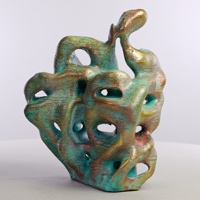
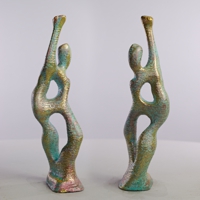
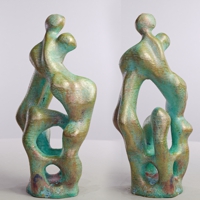
"Aphrodite gazes upon Paphos" 2026 PLA (bio-based plastic),electroplated with copper, patinated/ Click here to buy
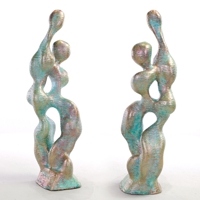
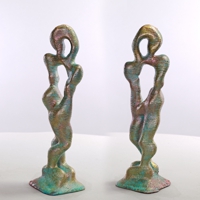
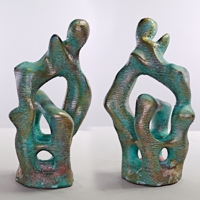
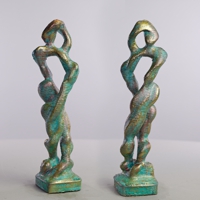
In ancient Paphos (modern-day Kouklia) stood the important sanctuary of Aphrodite, which attracted pilgrims for over 1,600 years. The cult can be traced back to the late Bronze Age.
Paphos is closely linked to the story of Pygmalion, whose ivory statue was brought to life by Aphrodite.
Aphrodite promised Paris the most beautiful woman (Helen), which sparked the Trojan War.
The artwork depicts an abstract sculpture rendered in turquoise and gold tones.The sculpture appears to represent interconnected or embracing human figures, rendered in a flowing, organic form. The work is abstracted, with the head depicted as a simple oval shape and the body as curved, interlocking elements. The sculpture is patinated in a washed-out turquoise or aquamarine hue. Irregular accents of metallic gold are applied over this base color, standing out particularly on the figures' highlights and contours. Some areas of the sculpture exhibit a cracked texture, reinforcing the impression of age and weathering, further enhanced by subtle traces of reddish-brown and darker blue tones in the lower section. The composition is symmetrical, emphasizing the sculpture's three-dimensional nature. The lighting is even, illuminating the sculpture from the front and highlighting its texture and the gleaming gold. The atmosphere is serene and aesthetically pleasing, focusing on the art form and its tactile, almost lifelike quality.